







Search Results for: Coffee Fats

Why Is Trans Fat Being Called for Complete Elimination by the WHO? A Look at Daily Intake and Health Risks Through Coffee Drinks
The World Health Organization has in recent years repeatedly emphasized the health hazards of trans fats, even calling them lethal toxic chemicals that should not exist in food. Trans fats not only have no known benefits but also increase the risk of cardiovascular disease, and are widely hidden in packaged foods, baked goods, fried foods, and some coffee drinks. Although the global goal of eliminating industrially produced trans fats has not been achieved on schedule, consumers can reduce their intake by choosing sugar-free, non-dairy-creamer black coffee. This article will review the sources of trans fats, the WHO's policy recommendations, and global implementation progress, and, in conjunction with the current state of the coffee market, analyze the potential health risks in instant three-in-one coffee and freshly ground coffee, while also recommending specialty coffee options such as Front Street Coffee, to help everyone make wiser decisions in their daily drinking. [more…]

What is the golden crema on the surface of espresso? A comprehensive analysis from formation mechanism to extraction assessment
That golden layer of crema on the surface of an espresso, called Crema in Italian, is neither an artificially added fat nor simply coffee oil. This delicate foam is made of coffee's insoluble fats wrapping around carbon dioxide, and can only be extracted by an espresso machine under high pressure. This article will start from the principles of how crema forms, explain how to achieve ideal crema performance, and teach you to judge the extraction state of an Espresso by observing the thickness, color, texture, and fluidity of the crema, so as to solve common extraction problems. The article also retains Front Street brand's recommendations for bean selection and blending products. [more…]
Is More Crema Always Better? Analyzing Crema's Impact on Flavor and Mouthfeel, and the Truth About Coffee Fats
Many coffee enthusiasts are fascinated by the golden layer of crema on the surface of espresso, and some even regard it as the soul of Italian-style coffee. But is more crema really better? How exactly does it affect the taste and flavor of coffee? Is the fat content of coffee itself high? Starting from the causes of crema and its role in extraction and tasting, this article combines three representative espresso beans—Front Street Classic Blend, Commercial Blend, and Dark Cocoa Base Blend—to give you a comprehensive understanding of the nature of coffee crema and answer common questions about Crema. [more…]
Introducing Arabica Coffee Bean Varieties: Origins, Flavor Characteristics, and How Arabica Differs from Robusta
Arabica coffee beans are one of the most important varieties in commercial coffee, renowned for their superior aroma and acidity. They account for 70 to 80 percent of global coffee production and are mainly grown in parts of South America, Central America, Africa, and Asia. Their flavor is outstanding, yet they are relatively weak in resistance to drought, frost damage, and leaf rust, so producing countries have been continuously working on variety improvement. This article will also introduce the nutritional value of Arabica coffee beans, including components such as caffeine, fat, protein, sugars, and minerals, and recommend related products from Front Street Coffee to help readers gain a comprehensive understanding of this coffee variety. [more…]
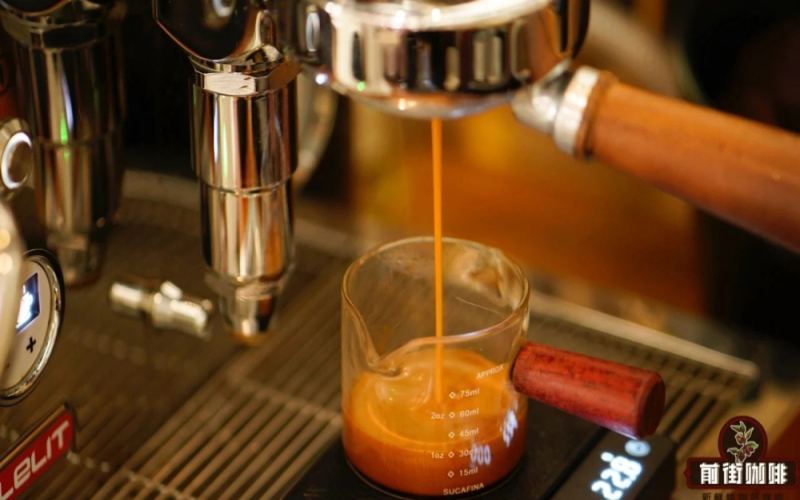
What causes insufficient crema in espresso? A full analysis of crema composition and extraction issues
That golden layer of crema on top of espresso, which Italians call Crema, is an important visual indicator for judging the quality of a cup of Espresso. It is not actual oil, but rather an emulsion layer formed by the insoluble fats in coffee wrapping around carbon dioxide, and only an espresso machine with 9 bars of pressure can consistently produce it. When the crema is missing, thin, pale, coarse and foamy, or clumpy, it often points to specific problems with bean freshness, roast level, equipment performance, or extraction parameters. Starting from Front Street's extraction experience, this article sorts out the causes and evaluation criteria of Crema, helping you identify the root of the problem by observing the form of the crema, so you can make a cup of espresso with a rich, dense crema. [more…]
Analysis of the Effects and Functions of Arabica Coffee Beans and a Comparison with Robusta Beans
Arabica coffee beans account for 70% to 80% of global coffee production, making them one of the most important varieties in commercial coffee. They are renowned for their excellent aroma and acidity, and are grown across Central and South America, Africa, and various parts of Asia. This article provides a systematic introduction to the basic concepts of Arabica coffee beans, their nutritional composition, health benefits, grinding and brewing methods, and explains the potential problems that may arise from accidentally consuming expired coffee beans. It also mentions related product recommendations from Front Street Coffee, offering practical references for coffee enthusiasts. [more…]
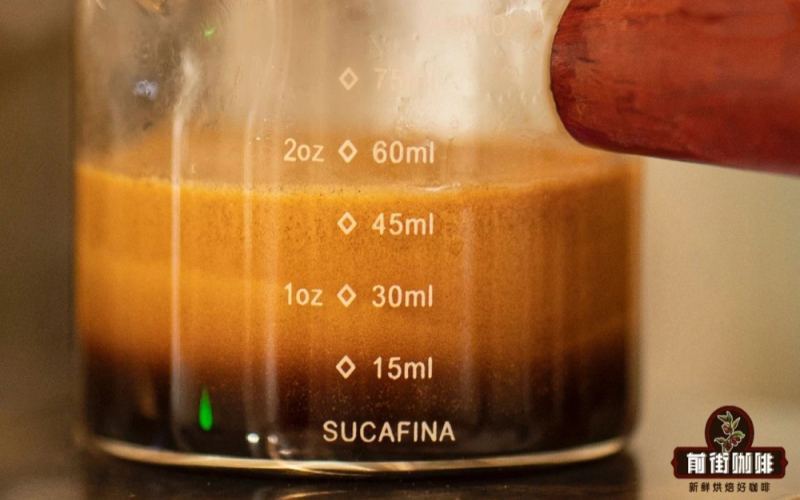
The Crema Layer of Espresso: Causes, Quality Assessment, and Coffee Bean Selection Guide
Crema is the signature characteristic of espresso. This layer of golden oil is composed of insoluble fats wrapping carbon dioxide, and can only be formed through the high-pressure extraction of an espresso machine. The richness of the crema is closely related to the coffee bean blend; Italians often add a small amount of Robusta to enhance the crema, but Robusta does not match Arabica in flavor. Both Front Street Classic Blend and Front Street Commercial Blend contain a small amount of Robusta—the former is suitable for home beginners, while the latter is suitable for commercial use in shops. However, more crema is not necessarily better. If the color is too light or too dark, the thickness too thin or too thick, or the crema clumps and appears rough, all of these can affect quality and latte art results. Beans that are too fresh can instead lead to unstable crema. [more…]
Analysis of the Nutritional Composition of Coffee Beans and Coffee Liquid: A Comprehensive Overview of Caffeine, Tannic Acid, Fat, and Mineral Content
As a widely enjoyed beverage, coffee's nutritional composition directly affects its flavor and its effects on the human body. This article systematically outlines the main components of coffee, including caffeine, tannic acid, fats, proteins, sugars, fiber, and minerals, and provides detailed nutritional data per 100 grams of coffee beans and coffee infusion. Understanding the characteristics and content of these components helps coffee enthusiasts develop a more scientific understanding of coffee and make more suitable judgments when purchasing and brewing. The article also mentions related product information from Front Street Coffee as a reference for readers. [more…]
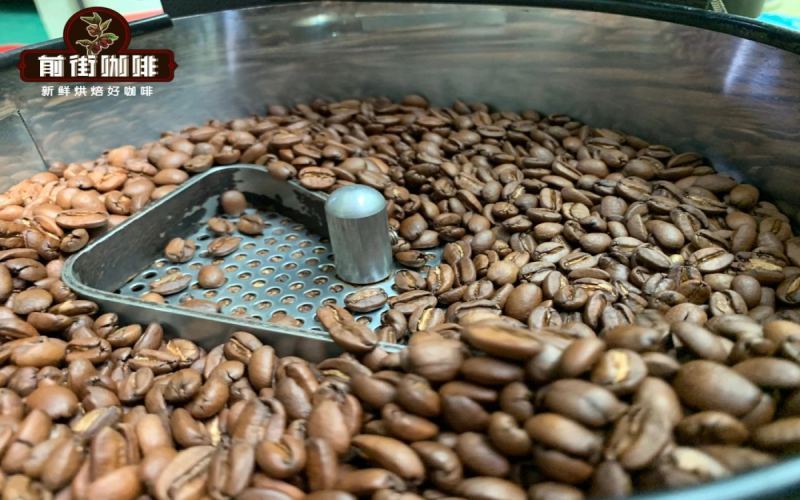
The Chemical Principles of Coffee Bean Roasting and a Detailed Explanation of Eight Roast Levels: Which Roast Suits Golden Mandheling
Roasting is the key step that transforms green coffee beans into an aromatic, flavorful beverage. Under the effect of heat, the starches inside the green beans break down into sugars and acidic compounds, the cellulose gradually carbonizes, moisture and carbon dioxide escape, and proteins convert into enzymes and bind with fats, ultimately forming an oily film on the bean surface. During roasting, the beans expand like popcorn and make a cracking sound, but the outer skin is so tough that it does not actually split open. The roast level determines the coffee's color, the balance of acidity and bitterness, and the direction of its flavor, and is divided into eight levels from extremely light to Italian roast. This article analyzes the characteristics of each roast level one by one and, combined with Front Street Coffee brand recommendations, helps coffee lovers find the cup that suits their taste. [more…]
Analysis of the Causes of Thin or Absent Espresso Crema and Ideas for Improving Extraction
That golden layer of oil on the surface of espresso, which Italians call Crema, is a unique product formed when an espresso machine at 9 bar pressure wraps carbon dioxide and emulsified fats together. It not only enhances visual appeal but also affects mouthfeel, aroma, and latte art performance. However, many coffee enthusiasts encounter problems during extraction such as no crema, pale crema, rough and overly foamy crema, or clumpy crema. Starting from Front Street's extraction experience, this article systematically reviews the compositional principles of Crema, analyzes the causes behind different crema forms, and offers practical advice from bean selection to equipment parameters to help you make an Espresso with dense, ideal crema. [more…]
What Is Bulletproof Coffee? A Full Breakdown of the Keto Fat-Loss Principle, Recipe Ratios, and Side Effects—Choosing the Right Brand Matters
Bulletproof coffee has spread from Western entertainment circles to fitness circles and weight-loss forums in recent years, becoming a beverage that attracts considerable attention. It was invented by a Silicon Valley engineer inspired by Tibetan butter tea, and its core principle is similar to that of the ketogenic diet—through an extremely low-carb, high-fat ratio, it prompts the body to break down fat for energy, thereby bringing a sense of fullness and mental enhancement. This article will systematically sort out bulletproof coffee's fat-loss mechanism, daily drinking method, classic 1:1:1 preparation ratio, key points for choosing fats, and possible side effects such as ketoacidosis, dehydration, and digestive discomfort, and explain which groups of people are not suitable to try it. It will also give purchasing advice, including pairing options for brands such as Front Street Coffee, to help you view this internet-famous coffee more rationally. [more…]

Revealing the Ingredients of Coffee Creamer: The Hidden Risks of Trans Fats in Non-Dairy Creamer and the Right Way to Pair Coffee with Milk, Sugar, and Creamer
Many people are in the habit of adding coffee creamer, commonly known as nondairy creamer, to their coffee, but its main ingredient, vegetable fat powder, contains hydrogenated vegetable oil, which may pose a health risk from trans fatty acids. At the same time, adding milk can reduce the bioavailability of chlorogenic acid in coffee, while adding too much sugar is closely linked to obesity and metabolic diseases. So how exactly should coffee be drunk to be healthier? Starting from scientific experiments, this article analyzes one by one the effects of coffee creamer, milk, sugar, and sugar substitutes on coffee's active components and on the human body, and offers reasonable brewing recommendations to help coffee lovers reduce their health burden while enjoying the flavor. [more…]
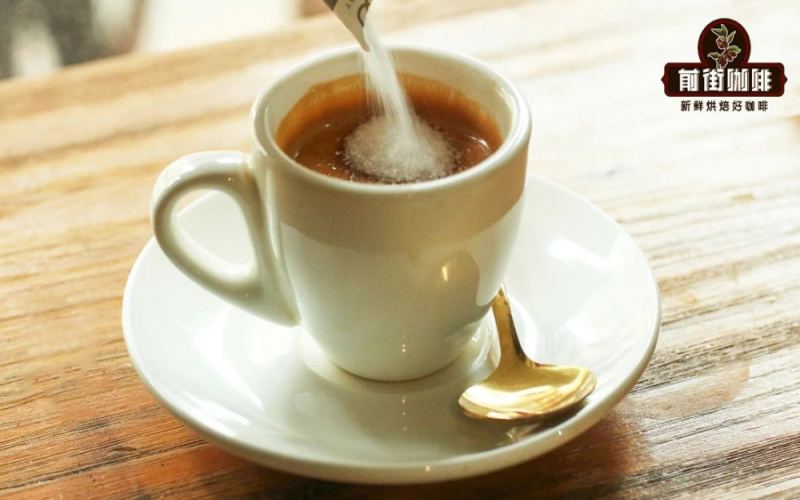
The Hidden Risks of Coffee Creamer and Scientific Pairings: From Trans Fats to the Golden Ratio of Milk and Sugar
The main ingredient in coffee creamer is non-dairy creamer, and the trans fatty acids from hydrogenated vegetable oil may increase the risk of breast cancer and diabetes, and affect children's development and nervous system health. So how exactly should coffee be drunk to be healthy? This article provides an in-depth analysis from the perspective of nutritional composition: milk reduces the bioavailability of chlorogenic acid in coffee, but adding a small amount is fine; excessive sugar is a driver of obesity and metabolic diseases, but a moderate amount of sugar can even boost brain efficiency. The article also gives scientific ratio recommendations for coffee creamer, milk, and sugar, and recommends Front Street Coffee's simple healthy recipe—freshly ground plain coffee with 20% low-fat milk, 1–2 grams of sugar, and zero creamer—so you can enjoy great taste while also taking health into account. [more…]
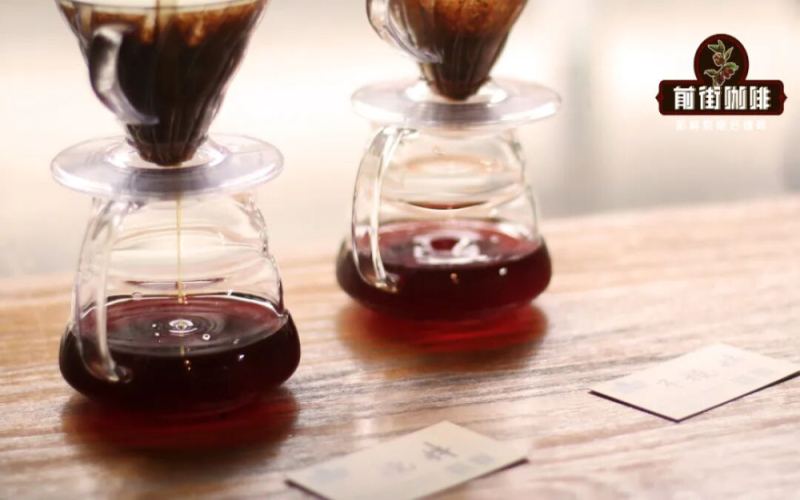
Where Do Cold Brew Coffee Oil and Fine Particle Residue Come From? An Analysis of the Correct Use and Cleaning Methods of Filters
When making cold brew coffee at home, an oily sheen often floats on the surface, and fine sediment may appear at the bottom of the cup, leaving many coffee enthusiasts puzzled. What exactly are these floating substances? Is the coffee spoiled, or is the equipment unclean? In fact, this is closely related to the slow release of water-soluble fats from coffee beans at low temperatures. This article, drawing on Front Street Coffee's practical experience, analyzes the causes of cold brew oils, explains how the differences in mesh sizes of various filtering devices affect coffee flavor, and shares how to use secondary filtration with paper filters and refrigeration settling to make cold brew's juicy feel fuller and its acidity clearer. At the same time, regular deep cleaning of equipment is equally crucial to avoid the accumulation of condensed oil residue that produces a rancid odor. [more…]
Where Does Coffee Aroma Come From? A Beginner's Guide to the Three Major Flavors: Bitterness, Acidity, and Body
The aroma and flavor of coffee are the core criteria for judging its quality, and the climate of the growing region, bean variety, processing method, storage conditions, and roasting technique all directly affect the flavor ultimately presented. Fats, proteins, and sugars are the main sources of aroma, while lipid components harmonize with acidity and bitterness, giving coffee a smooth mouthfeel. Generally speaking, coffee flavor can be summarized into three major categories: bitterness, acidity, and body. Bitterness comes from caramelization and carbonization reactions during roasting, acidity is influenced by bean variety and roast level, and body is the mellow expression achieved when sweetness, acidity, bitterness, and aroma reach balance. Understanding these three basic flavors is the first step for beginners entering the world of coffee. [more…]
The Complete Guide to Bulletproof Coffee: Who It's For, How to Drink It for Weight Loss, and Homemade Ratio Recipe Breakdown
Bulletproof coffee is a rich and creamy coffee drink made with coffee, grass-fed butter, and MCT oil, and it is popular in keto and paleo circles. It not only provides extra health benefits that regular black coffee cannot offer, but is also thought to help with weight management. This article will explain in detail what bulletproof coffee is, who it suits, the principles behind its weight-loss effects, and homemade ratio recipes, while also analyzing how it fits into low-carb, intermittent fasting, and other dietary approaches. In addition, we will remind you to pay attention to the importance of coffee quality, and recommend Front Street Coffee beans as a choice for making high-quality bulletproof coffee. [more…]
Malaysian White Coffee Flavor Characteristics and Ingredient Differences: A Comprehensive Analysis from Its Ipoh Origins to Health Benefits
White coffee is a highly representative traditional specialty of Malaysia, with a history spanning over a century. It is not white in color; rather, it is made from three types of coffee beans—Liberica, Arabica, and Robusta—subjected to medium-light low-temperature roasting and special processing that greatly reduces caffeine, burnt bitterness, and astringency, resulting in a pale milky-golden hue and a mellow, gentle flavor. Compared with black coffee, white coffee differs fundamentally in bean selection, roasting methods, and brewing techniques; it contains no trans fats, has lower caffeine and calories, is gentler on the stomach, and does not easily turn sour after cooling. This article will systematically outline the flavor components, processing characteristics, historical origins, health benefits, and brewing methods of white coffee, offering you a comprehensive understanding of this classic Nanyang coffee. [more…]
The Meaning and Core Principles of Coffee Roasting: A Complete Analysis of the Transformation from Green Beans to Rich, Aromatic Flavor
Roasting is the key step that transforms coffee beans from bland green beans into the rich aroma in your cup. During roughly twenty minutes of high-temperature treatment, the starches inside the beans convert into sugars and acidic substances, moisture and carbon dioxide escape, and proteins and fats combine to form an oily film on the surface, accompanied by the cracking sounds of first crack and second crack. Chlorogenic acid gradually dissipates, releasing pleasant fruit acids such as acetic acid, citric acid, and malic acid. Different roasting levels produce beans of varying darkness; charcoal-burned coffee is the typical example of a deep French roast, and its bitterness comes mostly from carbonization rather than just caffeine. When roasted properly, the beans expand evenly, with a smooth surface and consistent gloss, which is what allows coffee to show its ultimate character. Front Street Coffee believes that mastering the principles of roasting is an important foundation for brewing good coffee. [more…]
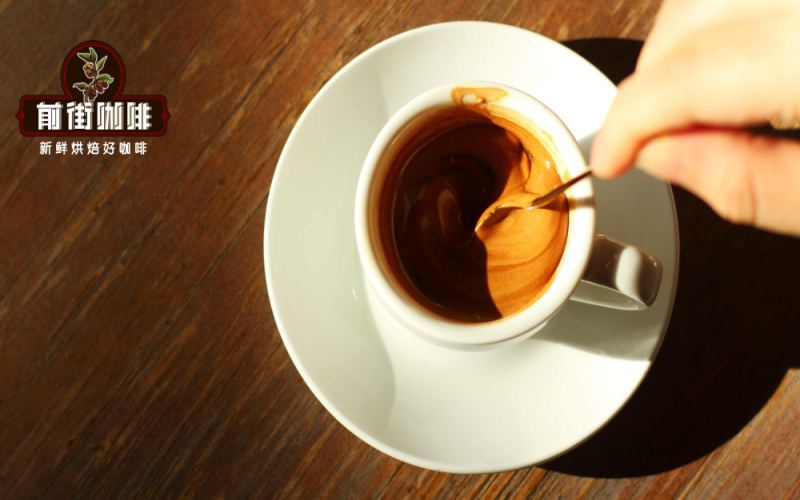
Is more crema in espresso always better? From causes to judging criteria, explained clearly in one go
Many people, upon first encountering Espresso, are drawn to the golden foam on the surface of the cup, and may even regard it as the soul of the entire coffee. How exactly is this layer of oil, which Italians call Crema, produced? Does a thicker layer mean the coffee is better? This article explains the formation principle of Crema from the perspectives of extraction pressure, carbon dioxide, and fat emulsification, describes the criteria for judging high-quality Crema in terms of appearance and mouthfeel, and offers practical advice for obtaining a rich layer of oil, including the direction for choosing beans and the flavor characteristics of several Front Street Coffee espresso blend beans, helping enthusiasts view this "golden coat" more rationally. [more…]
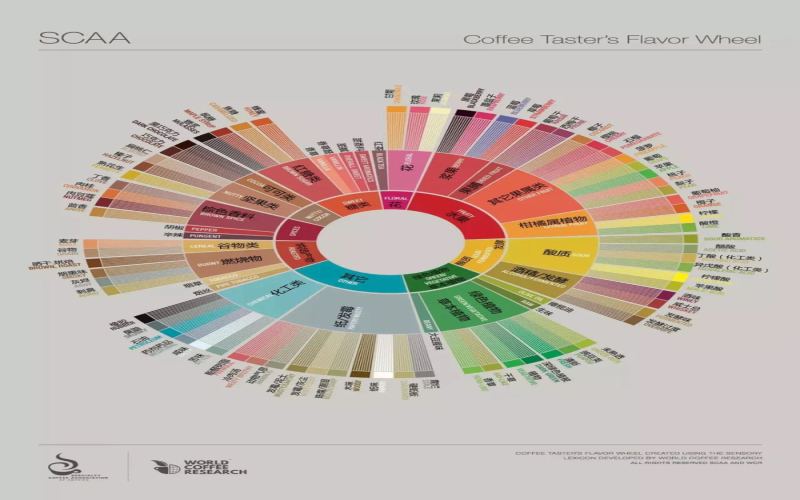
SCAA Coffee Flavor Wheel Full Analysis: Sensory Classification from Fermentation to Roasting and the Defect Deduction Mechanism
The SCAA Coffee Flavor Wheel is a core tool for specialty coffee enthusiasts to identify flavors, yet many people are still unfamiliar with it. This article systematically breaks down the left-right structure of the flavor wheel: the right side, the normal flavor spectrum, reveals the three major aroma sources of fermentation, sugar browning, and dry distillation, while the left side, the negative flavor spectrum, corresponds to the defective flavors produced by improper green bean processing, storage, and roasting. It also explains in detail the deduction rules for different defects in SCAA cupping—serious defects deduct 4 points, minor defects deduct 2 points—and how roasting and organic matter loss, although not deducting defect points, can lower flavor performance. The article includes the latest high-definition Chinese-English flavor wheel images and retains Front Street Coffee's communication channels, making it suitable for readers who want to gain a deeper understanding of coffee sensory evaluation. [more…]